Drawing intake
STEP, PDF, material callouts, quantity range, review date, and risk notes are gathered before quoting begins.
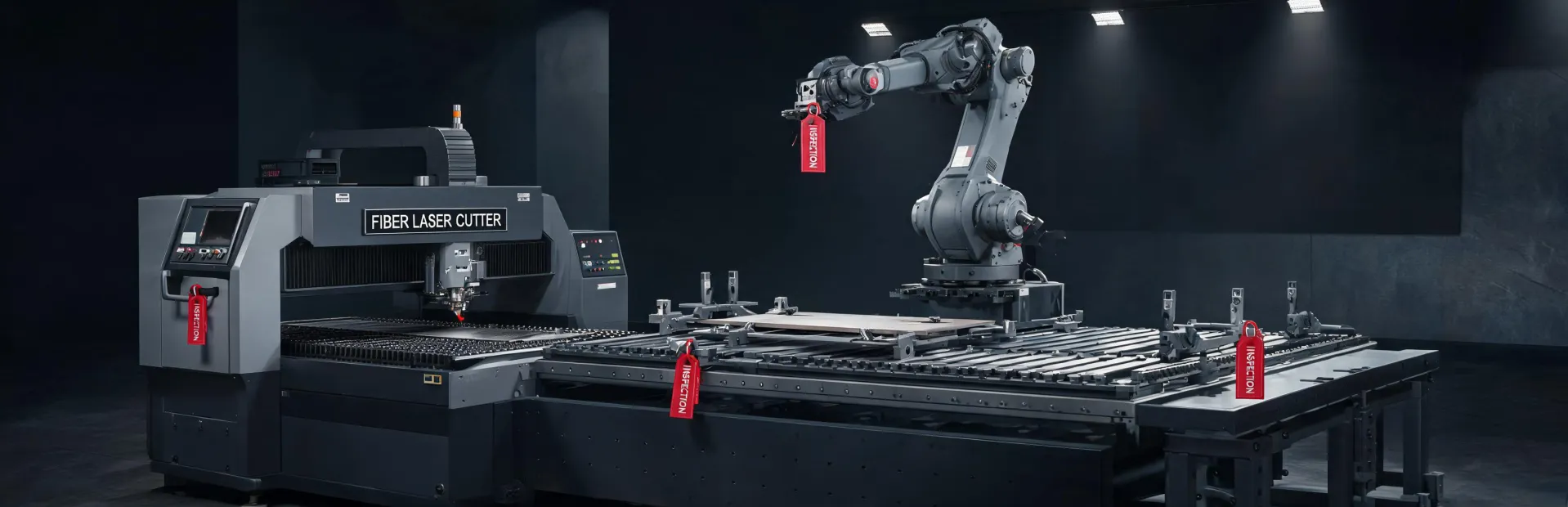
Coherent Laser supports engineering teams that need more than a part quote. We organize the service path around manufacturability questions, tolerance evidence, material decisions, inspection records, and the next release gate. That means a request can begin as a rough fixture concept, a late drawing change, a laser-cut frame, a validation aid, or an equipment package with mixed processes.
The sequence is intentionally visible. Buyers, engineers, and quality teams can see where assumptions are made, where evidence is requested, and where a build is ready to advance.
STEP, PDF, material callouts, quantity range, review date, and risk notes are gathered before quoting begins.
We identify whether CNC, sheet metal, additive, welding, or outside finishing should carry each feature.
Inspection points, cert requests, datum assumptions, and release notes are listed with the quote instead of after shipment.
Parts, fixtures, or equipment details are packed with the information needed for the next engineering review.
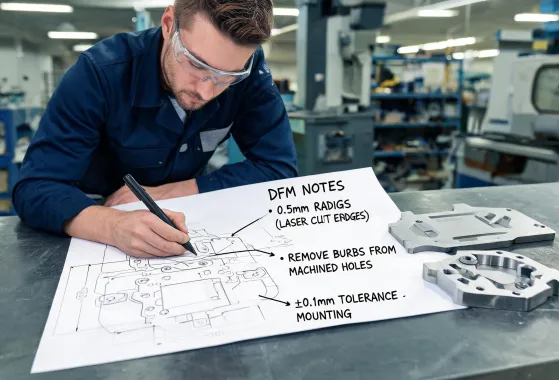
Fast programs fail when the quote hides the hard questions. Coherent Laser names the risk early: thin sections, heat distortion, clamp access, formed-edge relief, weld sequence, fastener clearance, surface finish, packaging sensitivity, and tolerance stack. We keep the language usable for both engineering and purchasing so the next approval meeting does not restart from scratch.
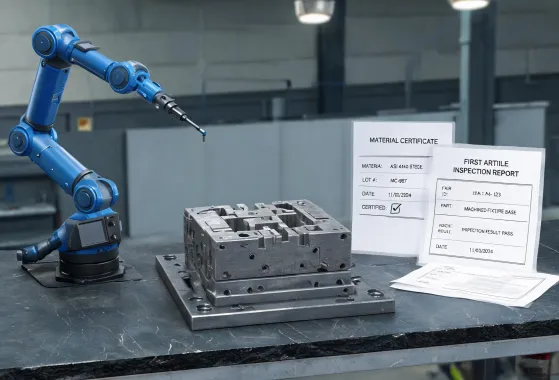
Inspection notes, material records, and open assumptions travel with the shipment. That file helps a buyer compare vendors, helps manufacturing decide whether to repeat the route, and helps quality understand which claims are measured and which are still provisional. The result is a cleaner bridge from prototype to low-volume production.
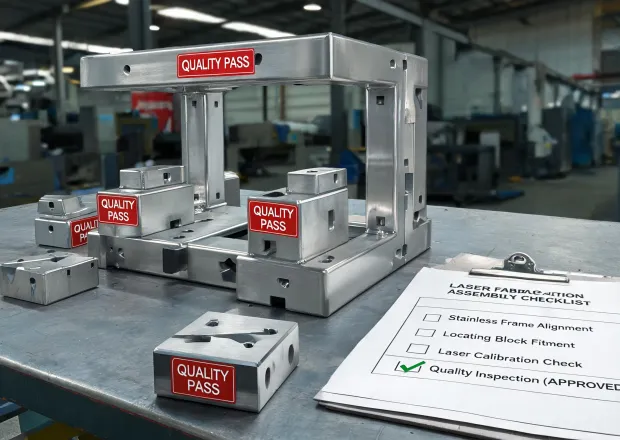
A robotics customer needed a fixture package before its final enclosure drawing was frozen. Coherent Laser separated the program into machined locating features, laser-cut temporary guards, printed ergonomic checks, and a limited set of finish decisions that could wait. That allowed the team to begin operator trials while keeping the final production cell open to change.
The important outcome was not just speed. The customer received a record of which features were stable, which tolerances were provisional, and which questions should be answered before the production purchase order. That is the kind of service structure that makes prototype work valuable instead of disposable.
Quote, drawing revision, material request, inspection plan, and release notes organized for supplier review.
Critical dimensions are identified with the buyer before the inspection package is prepared.
Certs, finish assumptions, coating limits, and substitution risks are captured during the service path.